
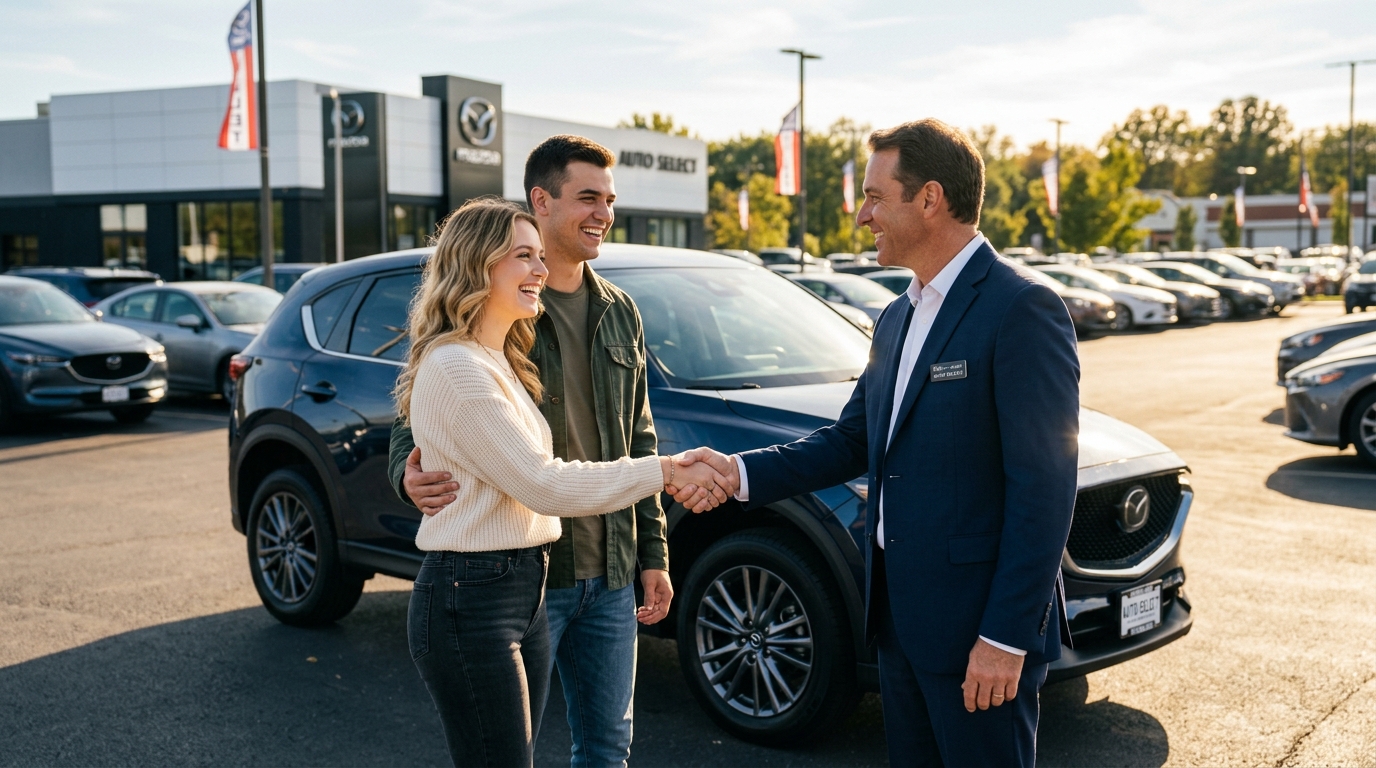
The benefits of a used car deal can be substantial, but with the risks that come along with it if you don’t know what to look out for. It may seem like a perfect car on the outside, but there could be some serious problems under the hood. It’s important to investigate the used car thoroughly before paying for it so you don’t end up with a big surprise later.
Why a Thorough Check Matters
While a new car comes with a manufacturer’s warranty, a used car does not. Previous owners might have not reported any accidents, maintenance issues or mechanical issues. By carefully inspecting you can understand what you are being charged for and have a leverage at hand to negotiate a fair price.
Do some research on the vehicle’s history.Research vehicle history.
Run a Vehicle History Report
Services that utilize the car’s VIN can uncover past incidents, title troubles, odometer discrepancies and past possession records. This report is one of the easiest ways to discover red flags before you see the vehicle face to face.
Check Maintenance Records
Request maintenance records from the seller, detailing regular oil changes, tire rotations and any significant repairs. Inconsistencies in their documentation may indicate poor care or maintenance, and no documentation at all may mean that the car was neglected.
Check the exterior and body of the vehicle.Examine the vehicle’s exterior and body.
Inspect the vehicle for signs of accident damage.Check for damage to the vehicle.
Inspect the car’s bodywork for ripples, uneven gaps between panels and mismatched paint, all signs of collision repair. Check for rust around wheel wells and undercarriage.
Examine the Tires
If one tire appears to be wearing more than the others, it could be a sign of alignment or suspension problems, and if there is a large difference between the depths of the tires, it may indicate that the tires have not been maintained in the same way. Make sure that the spare tire and jack are also on board and in good condition.
Evaluate the Interior
Test all electronics and features.Test all electronics and features.
Switch on the air conditioning, heater, radio, power windows and all electronics to see if they will operate. A lot of features can go wrong, and are not always obvious when doing a quick walk through – and can be expensive to fix.
When checking for wear, look for one that matches the mileage.When checking for wear, ensure it is consistent with mileage.
Worn pedals, seats or steering wheel to the point of being worn out beyond the odometer reading may be indicative of odometer tampering. This is an inconsistency that should be noted and inquired of with the seller.
Inspect the engine/vehicle for any signs of fluid leaks.Check engine/vehicle for any signs of fluid leakage.
Inspect all fluids for levels and condition.Inspect all fluids for level and condition.
Check the oil, coolant, transmission and brake fluid levels and color. Milky, dark or gritty fluids may be a sign of poor maintenance or mechanical issues.
Listen for unusual noises in the vicinity.Listen for odd sounds around the area.
Turn on the engine and check for any knocking, ticking or grinding noises both at idle and if the engine is revved a little. If the engine or transmission is making unusual noises, it might indicate some serious problems that could cost a lot of money.
Experience it for yourself!
Operate the car at different speeds, such as on a highway or at stoplights, observing the performance for smooth acceleration, good braking and handling. Be aware of any vibration, pulling to one side, or slow shift.
Have your home inspected by a professional.
Have a Trusted Mechanic Check It
Prepurchase inspection by independent mechanic can detect problems that may not be apparent to an inexperienced eye, even if the car appears and performs well. This can usually be done for a dollar or two, but can save thousands of dollars in unexpected repairs.
Check for Recalls
Research the VIN number in manufacturer recall systems to determine if there are any outstanding safety recalls not addressed. Unresolved recalls tend to be corrected free of charge but it is essential that you know of them first.
Verify the Paperwork
If the title is clean, confirm it.If the title is clean, confirm.
Be sure that the title isn’t salvaged, rebuilt, or flood-damaged, as all three can have a negative impact on the car’s value and safety ratings. Check seller’s name with the title to prevent disputes of ownership.
Know the conditions of the sale.Be aware of the conditions of sale.
Make sure to make it clear if the sale is “as-is” or comes with warranties, and put all arrangements in writing. When you know exactly what you have bought after the purchase, there will be no miscommunication in the future.
Final Thoughts
While it will take more effort to purchase a used car than to purchase a new one, if you take the time to go through the proper steps you will be able to avoid expensive problems and locate a reliable used vehicle for a fair price. Doing these things will ensure you are in the best position to make a confident well-informed purchase.