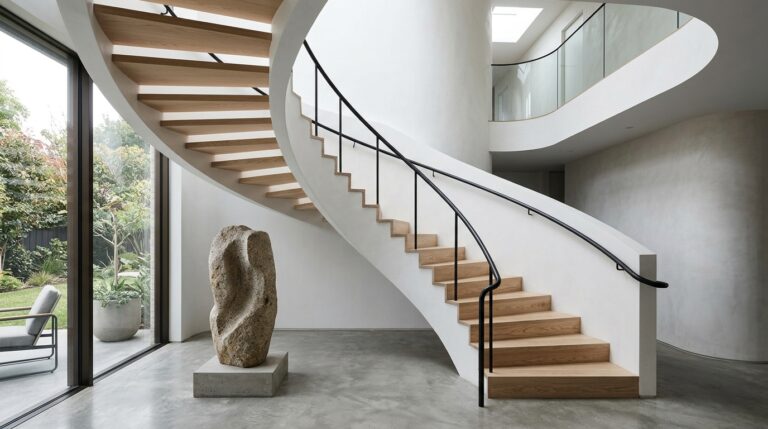

A home that feels comfortable and organized does more than just look good, it can genuinely improve your daily mood, reduce stress, and make everyday tasks easier. You don’t need a complete renovation or a big budget to transform your space. With a few thoughtful changes, any home can become a more relaxing, functional place to live.
- Why Comfort and Organization Go Hand in Hand
- Start with Decluttering
- Remove What You Don’t Need
- Create a System for New Items
- Design Functional Storage Solutions
- Maximize Vertical Space
- Use Baskets and Bins for Everyday Items
- Designate a Spot for Everything
- Create Comfortable, Inviting Spaces
- Prioritize Soft Textures
- Optimize Lighting
- Bring in Natural Elements
- Establish Daily Maintenance Habits
- Adopt a Quick Daily Tidy-Up
- Make Beds and Reset Common Areas
- Personalize Thoughtfully
- Display Meaningful Items
- Balance Function and Style
- Final Thoughts
Why Comfort and Organization Go Hand in Hand
A cluttered, disorganized space often creates a subtle but constant sense of stress, even if you don’t consciously notice it. Comfort, meanwhile, comes from how a space feels physically and emotionally. When organization and comfort work together, your home becomes a place that supports relaxation rather than adding to daily overwhelm.
Start with Decluttering
Remove What You Don’t Need
Clearing out items you no longer use or need is often the most impactful first step toward a more organized home. Going room by room, rather than tackling everything at once, makes the process far more manageable.
Create a System for New Items
Once you’ve decluttered, establishing a simple rule, like removing one item whenever you bring in something new, helps prevent clutter from building back up over time.
Design Functional Storage Solutions
Maximize Vertical Space
Shelving, wall-mounted organizers, and tall storage units make use of vertical space that’s often overlooked, especially in smaller homes. This approach frees up floor space while keeping items easily accessible.
Use Baskets and Bins for Everyday Items
Grouping loose items into labeled baskets or bins, whether for mail, toys, or accessories, keeps surfaces clear while making it easy to find what you need. This small change can dramatically reduce visual clutter.
Designate a Spot for Everything
Items without a designated home tend to accumulate in random places around the house. Assigning specific storage spots for commonly used items makes it easier to maintain organization long-term.
Create Comfortable, Inviting Spaces
Prioritize Soft Textures
Incorporating soft textiles, like throw blankets, cushions, and rugs, adds warmth and comfort to a space both physically and visually. These elements make rooms feel more inviting without requiring major changes.
Optimize Lighting
Layered lighting, combining ambient, task, and accent lighting, creates a warmer, more adaptable atmosphere than relying on a single overhead light. Soft, warm-toned bulbs in living spaces can make a noticeable difference in comfort.
Bring in Natural Elements
Houseplants and natural materials like wood or stone add a calming, organic quality to interior spaces. Even a few well-placed plants can improve both the aesthetics and the perceived comfort of a room.
Establish Daily Maintenance Habits
Adopt a Quick Daily Tidy-Up
Spending just 10-15 minutes each day returning items to their designated spots prevents clutter from accumulating and makes deeper cleaning sessions far less overwhelming. This small habit has an outsized impact over time.
Make Beds and Reset Common Areas
Simple daily habits, like making the bed or clearing kitchen counters before bed, create a sense of order that carries into the following day. These small resets help maintain an ongoing feeling of calm throughout the home.
Personalize Thoughtfully
Display Meaningful Items
Surrounding yourself with photos, art, or objects that hold personal significance adds warmth and character to a space. Being selective, rather than displaying everything at once, keeps the effect intentional rather than cluttered.
Balance Function and Style
An organized, comfortable home doesn’t need to sacrifice style for practicality. Choosing storage solutions and furniture that align with your aesthetic preferences ensures your space feels both functional and personally reflective.
Final Thoughts
Creating a more comfortable and organized home comes down to intentional choices, decluttering thoughtfully, designing functional storage, and layering in elements of warmth and comfort. With consistent small habits and a bit of planning, any home can become a space that genuinely supports relaxation and daily ease.