
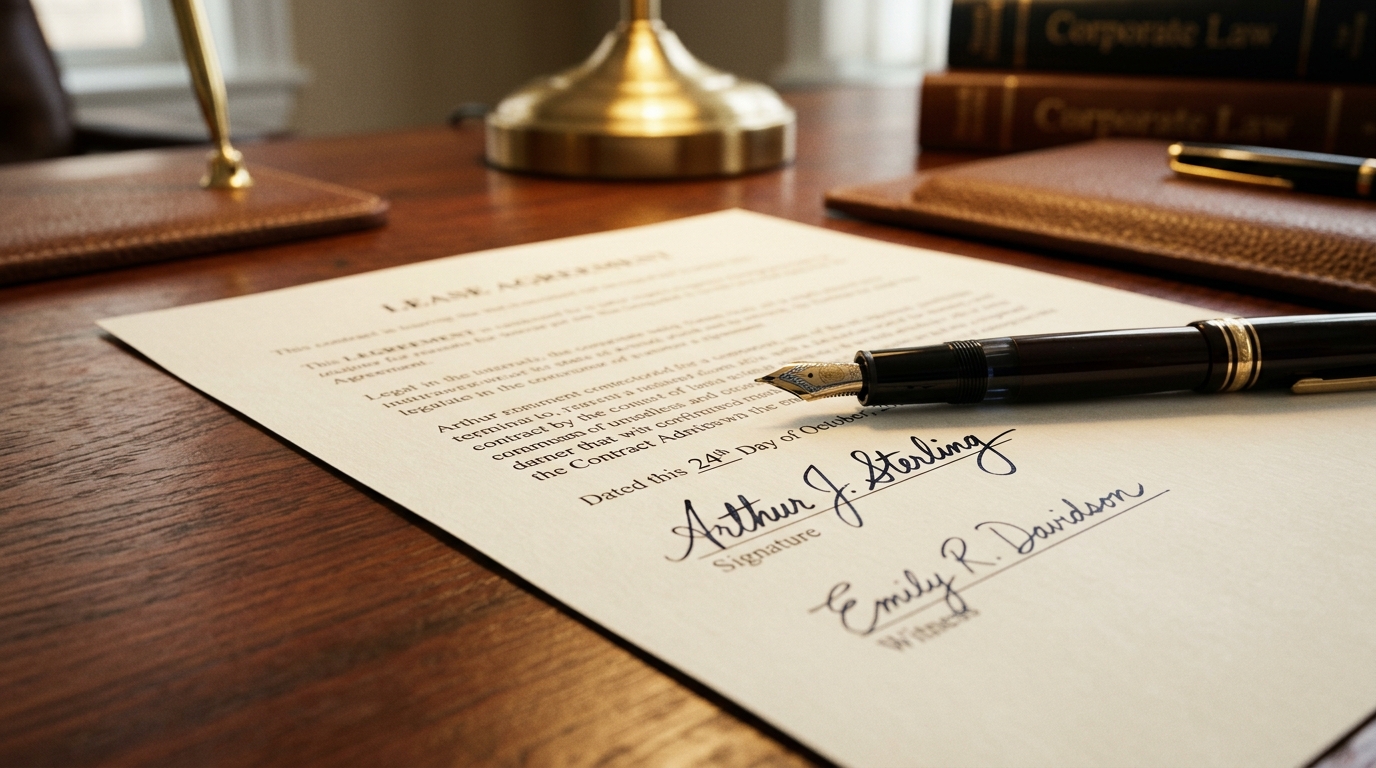
Whether it’s signing a lease or a new job offer or a business agreement, contracts play a routine role in both our personal and professional lives. However, numerous individuals sign these without knowing what they’re agreeing to. Carefully reading all of the details of a contract before signing on it can help avoid expensive miscommunications and save you the money.
Why Careful Review Matters
In most cases, once a contract is signed, it becomes a legally binding contract, and both parties are expected to abide by its terms. It is important to read and understand a contract before entering the agreement, since a failure to do so does not generally provide any excuse for not adhering to the terms and conditions.
To grasp the fundamental components of the Contract.To comprehend the basic elements of the Contract.
Identify all the stakeholders involved in the process.Keep an eye on who’s involved in the process.
Ensure all involved in the agreement’s names and information are correct and clearly written. Any mistakes in this section can cause confusion or problems if there is a dispute regarding the contract.
Check the Purpose and Scope.
Be sure to specify in the contract exactly what each party is committing to, such as delivering a service, goods, or certain obligations. It is important that the language in this section be specific and not too broad so as to avoid disputes later.
Be sure to look for important words.
Payment Terms and Deadlines
A thorough examination of any financial commitments with regard to payment, terms and amounts. Check for late fee, penalties or interest rates that may be triggered if payments are not made on time.
Duration and Termination Clauses are also included.Duration and Termination Clauses are also covered.
Be aware of the length of the contract and the conditions for early termination. There are contracts that automatically renew, and if not noticed beforehand, can catch people off guard.
Rights and Responsibilities
Specify what each party must do under the agreement, and any particular rights that are being relinquished or given. This section can be a source of future disputes because it is often ambiguous.
Look out for common red flags:
Vague and/or ambiguous language is not allowed.
Avoid using ambiguous wording in contracts that could be subject to interpretation by one party but not the other. When something doesn’t sound right, it’s best to have it clarified or the language changed before signing.
Unreasonable Penalty Clauses
Watch for contracts that have too high a cost for minor infringements because if things don’t go your way, there will be a lot of risk. When evaluating your penalty, consider whether it is disproportionate by comparing it to industry standards.
One-Sided Terms
Those contracts that give one party a strong advantage, with little safety or flexibility in the other, warrant additional attention. You should feel free to negotiate terms that don’t seem balanced before signing the agreement.
Know about Dispute Resolution Provisions.
Decide how to approach a dispute and who you will work with.Agree how to deal with a dispute and with whom.
Some contracts say whether there is a mediation procedure, an arbitration procedure, or a court action procedure. This could influence your choices if a dispute arises. It helps in setting realistic expectations if you know this beforehand.
Verify Jurisdiction Clauses.
Some contracts designate which state or country’s law will control the contract, and this might be important if a dispute arises and must be settled in court. This is especially significant in agreements between parties from various areas.
Don’t Ignore the Details
Attachments and appendices are reviewed.Attachments and appendices are looked through.
Some key terms are contained in an attachment or referenced document that is not attached to the contract, but rather referenced. Read and understand any documents attached and linked to the agreement.
Be vigilant for any Confidentiality or Non-Compete Clause.
These clauses may limit your future actions or disclosures in a way that may not be apparent to you right away. It’s important to know what they are and how long they last before you sign up for them.
Consult an expert and seek professional advice when you feel you should.
When you need an agreement that’s complex, you’ll want to talk to an Attorney.
In certain cases, especially where the contract involves a significant amount of negotiation, like an employment contract, real estate transaction or business contract, having a lawyer examine the document could be beneficial in that it may discover risks that you would not be able to spot on your own. This can be no replacement for legal counsel, and an experienced attorney can give you the specific advice you need for your case.
Always ask questions before signing!
If something is not clear in the contract, it is reasonable and expected to request the other party to clarify or amend it before signing it. A competent counterpart must be glad to answer questions and respond to concerns.
Final Thoughts
A contract is a big commitment and it’s important to know the terms of the contract to ensure you are protected and that you understand what you are committing to in the future. With a little attention to detail, a few red flags, and a little professional advice, you can make your way through a contract with greater confidence and less risk for unforeseen complications later.
This article is for general information only and should not be relied upon as legal advice. If you need specific advice, you should speak with a licensed attorney.