It’s easy to get overwhelmed in deciding what to eat each day as there are so many things to do and priorities to consider. Meal planning removes the element of guesswork from eating a balanced diet, saves time, cuts down on food waste and keeps you on a more balanced diet each week. By planning ahead, healthy eating becomes a lot easier.
Why is meal planning important?Why is it important to plan meals?
When hunger strikes and time is limited, it’s easy to fall back into the quick and easy but less nutritious choices without planning. Having a plan helps you keep healthy, satisfying meals available, helps you keep your grocery bill in check and helps you avoid takeout.
Always begin with a realistic framework.Always start with a realistic framework.
Evaluate your weekly schedule.Take a look at your weekly plan.
When meal planning, think about the days that are busier and which are more free time for cooking. It is important to work around your schedule not an idealized version of it, otherwise, your plan is far less likely to succeed.
Determine the number of meals to plan.
Don’t have to plan every single meal for the week to reap the rewards of meal planning. It’s often easier for people to find success with just dinners, or planning a handful of lunches that can be flexible, than to plan out every meal.
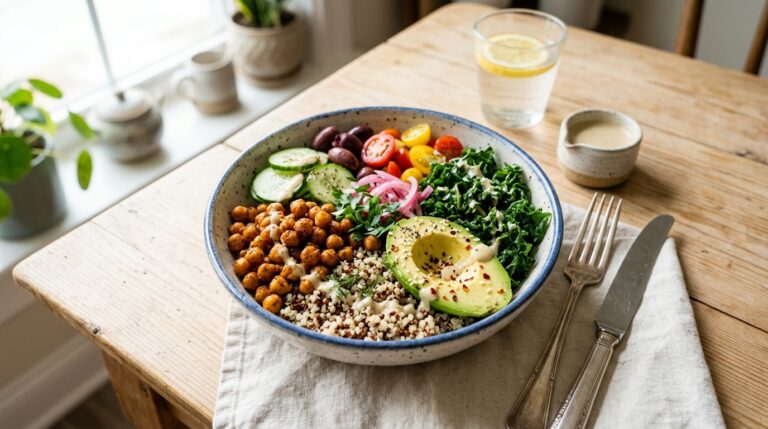
Put together a balanced plate of food around the five food groups!
Include a protein source.
Protein is an important part of a well-balanced meal and can help keep you feeling satisfied throughout the meal and help maintain muscle. You can swap out meals with chicken, fish, eggs, beans or tofu for variety during the week.
Add Fiber-Rich Vegetables
Half your plate should be filled with vegetables to get your daily dose of vitamins, minerals and fibre, and to bulk up meals without too many calories. Cooked and raw vegetables can be combined all week for variety of texture and nutrition.
Choose foods with whole grains or complex carbs.Eat foods that contain whole grains or complex carbohydrates.
Look for whole grains such as brown rice, quinoa or whole wheat pasta for sustained energy and extra fiber. Changing the grains from day to day is important for not getting the same food every day.
Include healthy fats in your meals.Include healthy fats in your diets!
Healthy fats like olive oil, avocado or nuts help keep you full and aid nutrient absorption. Adding a little bit to your meals can go a long way toward enriching both taste and nutrition.
Use Smart Planning Strategies to simplify.
Plan ahead and prepare recipes that share the same ingredients.
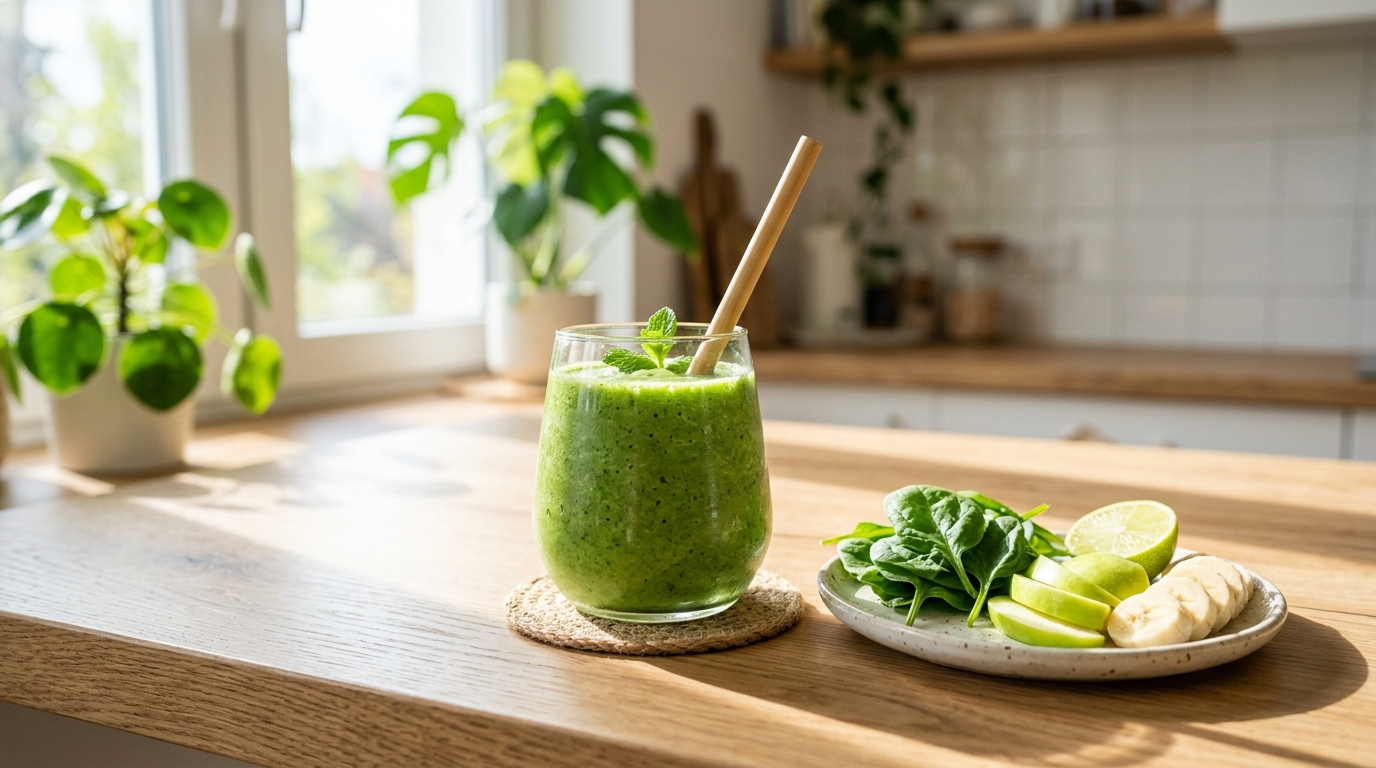
When choosing recipes that share similar ingredients, you will waste less food and make your shopping list easier. A bag of spinach, for instance, could be used in a variety of meals over the course of the week.
Batch Cook Staple Components
Cook larger quantities of proteins, grains or roasted vegetables at the beginning of the week so that you can assemble a variety of meals without cooking each one individually. This way, there will be some variety and a lot less prep time each day.
Plan for Leftovers Ahead of Time
On easier days of the week, make a little extra so you can eat that food again on days when you’re busier. This helps to ease the pressure of preparing meals every day, but still provides a balanced diet.
Design and adhere to a grocery list that works for you.
Use your meal plan to shop for your meals.
Creating your grocery list from your planned meals will help you avoid buying things you don’t need and will always have all of the ingredients you need ready. This also helps to lower the chances of purchasing things you don’t need.
This is an essential product for every pantry.This is a must have for any pantry!
Having a well stocked pantry with foods such as canned beans, whole grains and spices will help you create well-rounded meals throughout the week when fresh foods are less available.
Stay Flexible
Provide space for adjustments.
A hard set meal schedules is easy to fall apart when things don’t run smoothly in life. This means that if the plan is not fully complete, or not designed to be fully complete, it does not mean that it should be thrown away and not be adhered to, but simply means that there is a little more flexibility to leave one or two days unplanned or provisioned with easy alternatives.
Fine-tune based on what’s working.
Planning meals is a skill that is developed over time. Keeping track of what meals you did enjoy and which ones were not so enjoyable allows you to narrow down on future weeks when you are planning meals.
Final Thoughts
Not every meal plan is the same, and that’s okay—planning balanced meals for the week is more about setting up a flexible plan that makes healthy eating easier and more sustainable. Balanced food groups, smart preparation and realistic planning can help to make your week easier to manage and help you to keep eating foods that keep you feeling well.