Cooking is not just about following the recipe, it’s about learning the basic cooking skills that make the recipe work. A few basic cooking techniques can help home cooks feel confident and flexible enough to cook a variety of recipes without following them step-by-step. These are the basic skills that underlie almost all meals.
Just as in both sports, technique is a more crucial factor than recipes.
While recipes can help you follow a particular dish, knowing some of the techniques can help you to tweak, improvise and troubleshoot in the kitchen. Knowing how and why a technique works, you can use it with any and all kinds of meals with far more confidence.
Essential Heat-Based Techniques
Sautéing
Sauteing is a method of cooking that uses a frying pan and relatively high heat, and is usually done for a short period of time, and with frequent stirring/tossing. This method is a great choice for vegetables and thin cuts of meat or dishes that need a quick and even cook without excessive moisture.
Roasting
Roasting is dry-heat cooking that is evenly distributed in the oven to create a caramelized surface. It is an excellent way to enhance the flavour of vegetables, whole cuts of meat and poultry, and highlights the natural sweetness and depth of flavour.
Searing
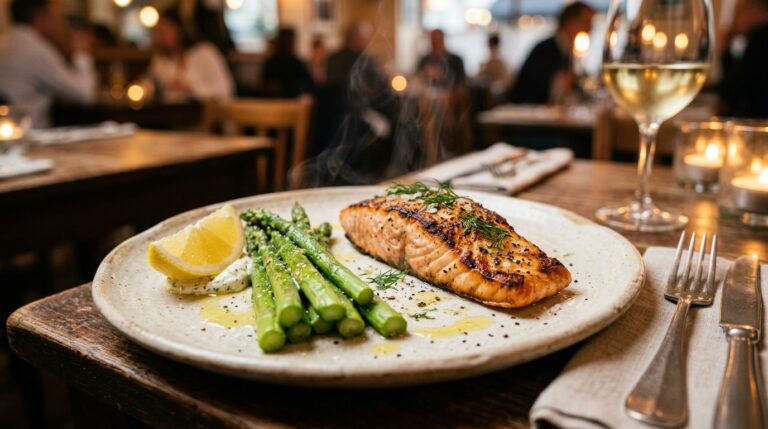
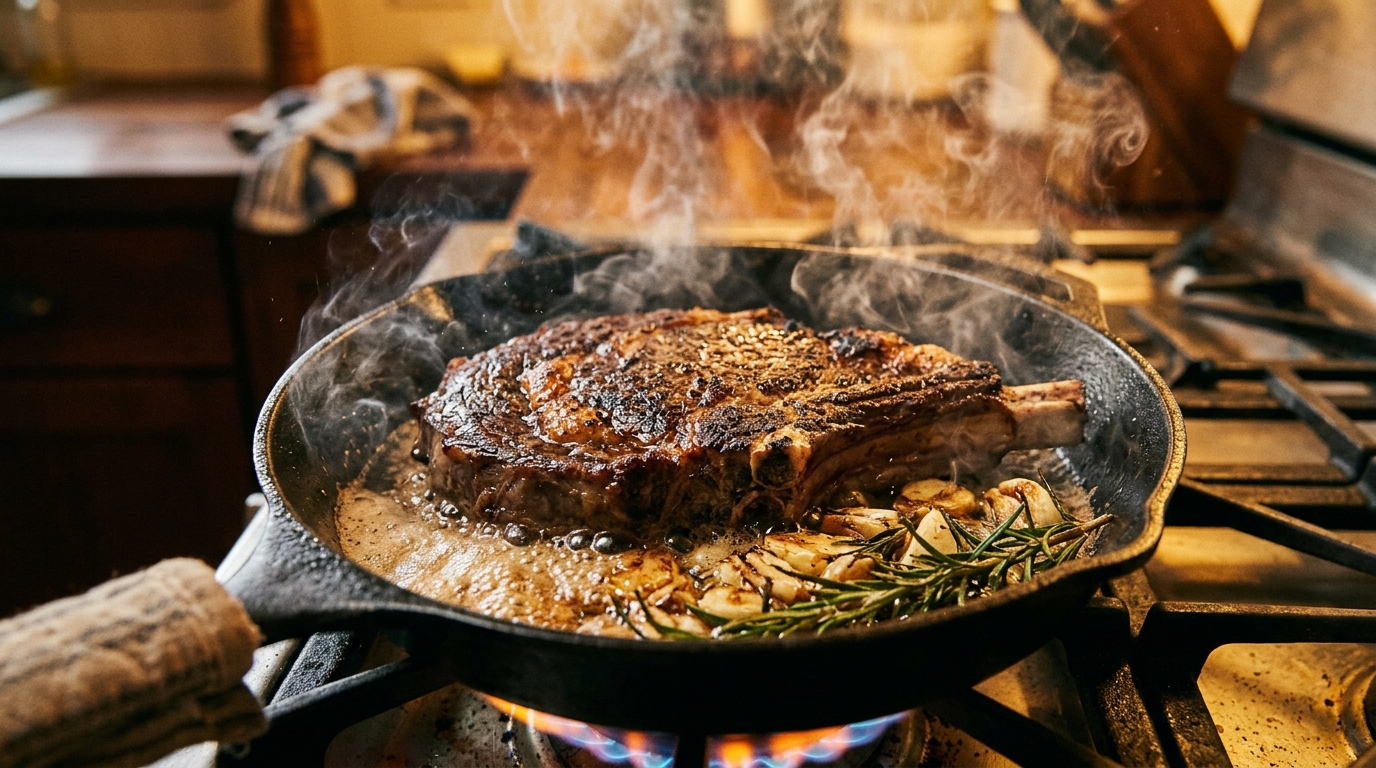
Seared foods are usually meat, and they are cooked at high temperatures on the surface to create a browned and flavorful crust. This is a method often employed to prepare a dish before finalizing with another cooking method, such as roasting or braising.
Braising
The process of braising is a combination of dry and moist heat, searing food to develop flavor, followed by slow cooking at a low temperature in liquid. This is particularly effective for tougher cuts of meat, which, over time, turn into tender, flavorful cuts.
Water-Based Cooking Methods
Boiling and Simmering
Simmering refers to cooking at a low temperature for a longer period of time, which is suitable for delicate foods or sauces and soups with slow flavors.If your food is delicate or has less flavor, such as soups and sauces, use simmering. Knowing when to apply each technique minimizes overcooking and toughening of some foods.
Steaming
Steams foods by exposing them to steam from boiling water, retaining more nutrients and natural flavor than boiling in water. This is a delicate technique that is well suited for vegetables, fish and tender protein.
Blanching
Blanch – immerse food in boiling water for a short time, then placed in ice water to stop cooking. This method is often used for the preservation of colour and texture of vegetables or to make ingredients for freezing.
Building Flavor Through Technique
Deglazing
Once seared or sautéed, pouring liquid on a hot pan will raise the flavorful browned bits that stick to the bottom of the pan and will form a rich base for sauces. This simple method adds a lot more flavor to a host of dishes.
Reducing
When a liquid is simmering with the lid off, it will allow any extra moisture to evaporate, giving the liquid more flavor and thickening the sauce or stock naturally. This is the key to creating flavorful, complex sauces that don’t over-depend on thickeners.
Marinating
Depending on the ingredients in the marinade, soaking food can help to tenderize some proteins as well as add flavor. Knowing marinating time enables you to prevent an overly mushy texture in acidic marinades that are too long.
Mastering knife skills to boost efficiency.Efficient knife skills.
Use the proper grip and control when using a knife.Use knife properly in grip and control.
Proper knife grip and the claw hand with the guiding hand help to be more precise and safe when chopping. This is one of the basic skills that can help expedite food preparation and ensure consistency.
Uniform Cutting Techniques
Whether it’s chopping vegetables or slicing protein, size consistency of ingredients allows for even cooking. Over time these simple cuts such as dicing, julienning, and mincing help make cooking a lot easier.
Understanding Temperature Control
Understand correct cooking temperatures.
It helps to avoid common pitfalls such as overcooking or undercooking, as well as burning, by knowing the proper heat to use for a specific technique. This knowledge is often gained by trial and error and careful observation during cooking.
A meat thermometer should be used to take the internal temperature of meat.
Cooking according to internal temperature, not by your guess, is the best way to ensure protein is cooked safely and to your liking. Packaging and cooking meat and poultry can be a lot of guesswork.
Final Thoughts
These fundamental skills are crucial for any home chef and will allow them to create a diverse range of meals beyond the scope of any recipe. You learn the logic behind each technique — searing, braising, knife skills, and more — and will find that everyday cooking becomes more intuitive, efficient and fun.