It’s not often that you get to the fridge, only to be disappointed with the fact that fresh fruits and vegetables have gone bad before you could eat them. In addition to the frustration, food waste is also a loss of money and unnecessary environmental impact. The good news is that you can prolong the shelf life of your food and minimize the amount of food waste by following correct storage methods.
Why Proper Storage Matters
Each type of food requires special storage and if not, will spoil prematurely. Knowing the exact conditions (temperature, ambient humidity, proximity of other foods) that enable the maintenance of the freshness of each item can make a significant contribution towards food quality and reducing household waste.
Understanding Your Refrigerator’s Zones
Understand temperature differences in the refrigerator.Learn the temperature differences in the refrigerator.
Refrigerators are not the same temperature on all surfaces—door is warmer; back is cooler; bottom shelves are cooler. Never store dairy or eggs in the door section of the fridge; the temperature will vary more and is not ideal.
Make sure to use your crisper drawers properly!Do not use your crisper drawers improperly!
The most common crisper drawers will have adjustable humidity levels which will be a high level for leafy greens and vegetables that lose moisture easily and a low level for ethylene gas-producing fruits. It helps to keep the two categories separated, minimizing unwanted moisture and/or gas exposure that leads to spoilage.
Fruits and vegetables benefit from well-managed storage.Properly stored fruits and vegetables are better off.
Separate Ethylene-Sensitive Produce
Some fruits (apples, bananas, avocados) give off ethylene during ripening that causes the ripening of the fruit to spoil more quickly than it would otherwise. These fruits are ethylene producers that can shorten the shelf-life of ethylene sensitive vegetables, such as leafy greens and broccoli.
If you have to keep produce for more than a few minutes, keep it at room temperature.
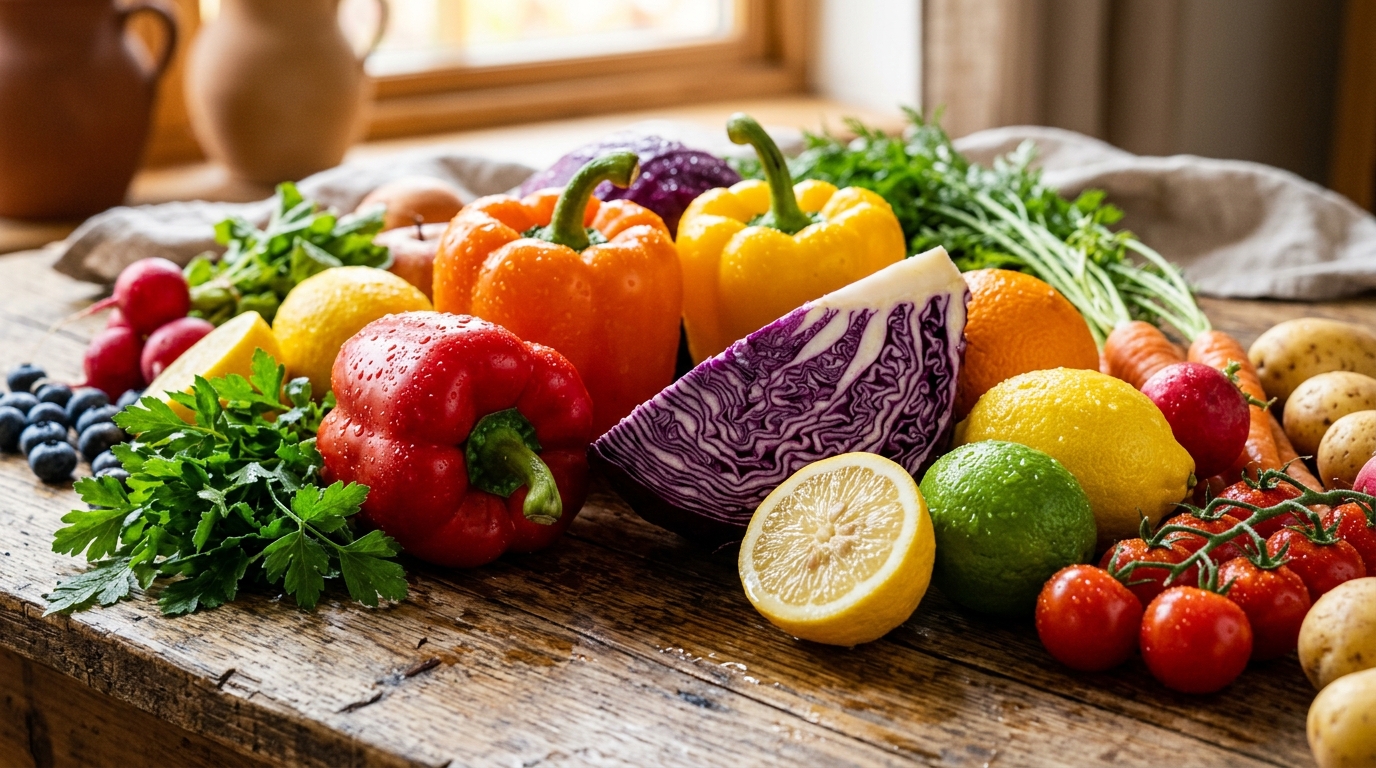
Some produce is best kept at room temperature, such as tomatoes, potatoes, onions and whole melons. Some of these products may not have the desired texture and flavor when refrigerated.
Rinse produce just before eating it.
Excessive washing in advance can add an unnecessary amount of moisture which can accelerate spoilage. Placing produce in the bin without rinsing it and cleaning it before cooking or eating will help keep produce fresher.
The correct storage of proteins and dairy products.Correct storage of proteins and dairy products.
Store meat and seafood at the coldest section of the fridge and freezer.
Raw meat and seafood are stored on the bottom shelf, preferably in a sealed container, providing the coldest and most consistent temperature and also preventing drips from falling on other food items. Freezing is sometimes the better choice if not to be used within a few days.
Dairy Products should be kept well-sealed.
Dairy products can spoil easily and pick up odors from other food products when exposed to air. Tightly wrapping foods such as cheese and butter or keeping these items in an airtight container helps keep them fresh and flavorful.
Making the Most of Your Freezer
Place food in the freezer while it is at its peak freshness.
The freshest fruits, vegetables and proteins will be in season during the freezing process, which will help retain their nutritional value and taste. Delaying the cooking time until the food gets very close to spoiling can cause poor quality after thawing.
Follow proper freezer storage practices.
Before placing freezer bags in the freezer, take out any air and place in airtight containers to avoid freezer burn, which may impact texture and taste. Dating can also be used to make sure that the oldest items are used first.
How to minimize waste with good habits!
The “first in first out” practice is followed.First in first out practice is followed.
Rotating the oldest items out of your fridge’s back and the newest items to the front promotes the first in first out principle for your pantry and refrigerator. It is a simple practice that will make a huge difference in the chances of forgotten, “spoiled” food.
Do not waste food – use it up before it goes bad.
When vegetables are getting towards the end of their freshness, it is often possible to use them in soups instead of discarding them, or in smoothies, or for creating stir-fries. A bit of creativity can cut down on extra waste when using slightly overripe or wilted produce.
Storing leftovers promptly and properly is a very effective way to help prevent food poisoning.
Foods that are leftovers should be refrigerated in airtight containers, within 2 hours of cooking, to ensure food safety and quality. Leftover food items should also be clearly labeled with dates, to help prevent them spoiling before use.
Final Thoughts
One of the easiest methods to decrease household waste and make the most from the food is to store it appropriately. Knowing how to store various foods and establishing simple, routine storage and organization practices can help keep your food fresh for longer, and reduce food waste and unnecessary shopping.