The convenience of daily life that has been expanded into the online realm—whether it’s banking, buying groceries, or socializing—has gone together with the risk of falling victim to cyber threats. Cybersecurity is not only for big corporations and IT experts; it’s everyone’s duty who uses the internet. Fortunately, the security measures you can take online don’t depend on high-tech skills, they are just a matter of consistent, informed habits.
The need for everyday cybersecurity becomes evident when you consider the following:
Personal accounts are sometimes less well protected than those of bigger organisations and can be used to access valuable financial or personal data, making them an attractive target for cybercriminals. Following these good cybersecurity practices can greatly lower your chances of being the victim of a scam, data breach or identity theft.
Create strong passwords for all your accounts.Use strong passwords on all accounts.
Use Strong, Unique Passwords!Use Strong, Unique Passwords!
When using the same password for multiple accounts, a single leak could affect the security of your entire online identity. Having secure, individual accounts helps to reduce the impact of any single breach.
Choose a Password Manager.
For most people, it’s hard to memorize a dozen complex passwords, and that’s where password managers come in. These tools can securely store and create robust passwords, which will not be tempted to use simple easy to guess passwords.
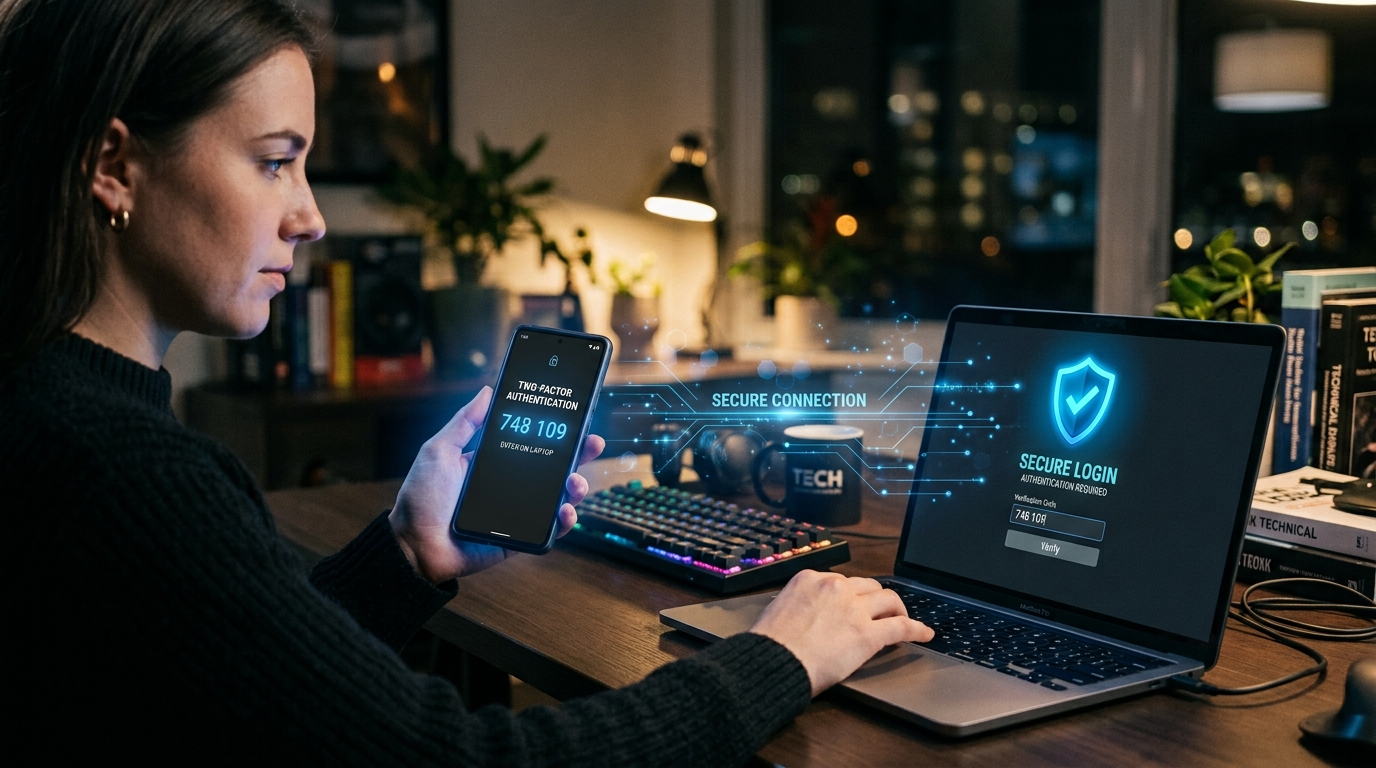
Enable Two-Factor Authentication
An additional layer of authentication, like a code sent to your mobile device, helps provide an additional level of security to your account even if your password is ever compromised. To activate this feature where possible is one of the best steps that can be taken.
Be aware of phishing attempts and how to avoid them.Know how to identify and prevent phishing.
If you receive an email or message you don’t expect, be wary of it.If you receive an email or message you don’t expect, be wary of it.
These phishing e-mails will often appear to be from a well-known company, and ask the recipients to click on links or enter personal information. Avoiding the scams involves being careful not to provide any personal or financial information that isn’t requested by the person and seems urgent.
Ensure that links lead to the correct location before clicking on them.
It is possible to hover over links to verify if they’re linking to the actual site before clicking them in order to avoid suspicious or fraudulent sites from causing harm. If you don’t know what the company is, it’s better to check out their official website.
Maintain up-to-date software and devices.Ensure that software and devices are kept up to date.
Install Updates Promptly
The software update may contain crucial security fixes for new vulnerabilities. Waiting until the last minute increases the risk of your devices, because the risks are known and have been addressed by developers.
Make sure that your security software is reputable.Ensure that your security software is trustworthy.
Adding trusted anti-virus or security software will give you an extra layer of security against malicious software and other risks, especially on sensitive devices such as those used for banking or work.
Don’t share personal information with anyone.Never divulge personal information to anyone!
Be aware of what you post online.
When you share information on social media, like where you are, your schedule, or details about your family, you could be giving out information that scammers or malicious people can use. Regular privacy review can help manage access to this information.
Utilize secure and private networks.
However, public Wi-Fi networks can be less secure than those at home, so it’s safer to avoid sensitive activities when using public Wi-Fi, such as online banking. If you’re on a trusted network, the protection is significant, or you can use a virtual private network (VPN).
Adopt safe Internet shopping and banking practices.Use safe Internet shopping and banking practices.
Shop from secure and reputable websites.
Before entering payment details, check for signs of the website’s security, such as “https” in the URL. Also, by sticking to well-known and trusted stores, you will have less chance of running into a fraudulent site.
Review financial accounts on a regular basis.Regularly review financial accounts.
Checking bank and credit card statements frequently makes it easier to detect any unauthorized transactions, reducing any possible harm, and will enable a quicker response if they are actually fraudulent.
Back up important data.Make copies of important data.
Maintain Regular Backups
Having the important files backed up regularly, be it on a cloud server or external hard drive, helps prevent the loss of data in the event of a ransomware attack, hardware failure, etc.
Test your backup system.Test your backup system.
Just setting up a backup is not sufficient; it will be necessary to check occasionally that your backup is functioning properly to guarantee that you can recover your data if necessary.
Establishing lasting cyber security habits.Creating a habit of cyber security in the long term.
Get updates on new threats.Keep up to date on new threats.
The ever-changing landscape of cybersecurity threats means it’s important to be broadly aware of common approaches to scams so that you are not as likely to fall for new scams. You can keep up to date with reputable news sources and official cybersecurity organizations.
Educate Family Members
The security of your home and business can only be as strong as its weakest link, so educating your family members about the basics of online security increases their household’s overall security.
Final Thoughts
Strong cybersecurity habits are not necessarily expensive and require a high level of technical knowledge, it’s just about paying attention to the basics: using strong password, being careful online and updating software regularly. These are strategies that you can use in your daily online activities that will decrease your risks of the many threats that Internet users are facing today.