Each time you use the Internet to shop, use social media, or simply navigate the World Wide Web, a wealth of information is being gathered that can be stored and used if not secured properly. With the growing frequency of data breaches and privacy issues, it’s now more important than ever to take proactive measures to safeguard your personal information online. Luckily, good data protection is for the most part about sensible, controlled practices.
Why Personal Data Protection Matters
With the wealth of personal information that can be found on the Internet — ranging from financial information to browsing history — it’s something third parties like cybercriminals and advertisers can find very valuable, and sometimes in ways that aren’t immediately obvious. Sharing this information is essential to prevent that information from being misused for financial fraud, identity theft or to expose your private life.
Ensure that your account is as secure as possible.Make your account as secure as possible.
Create strong, unique passwords.Make strong, unique passwords.
Having the same passwords for all your accounts is a huge security risk, as if one of them gets hacked, it can affect all of them. Having robust and distinctive passwords for every account minimizes the impact of any single compromise.
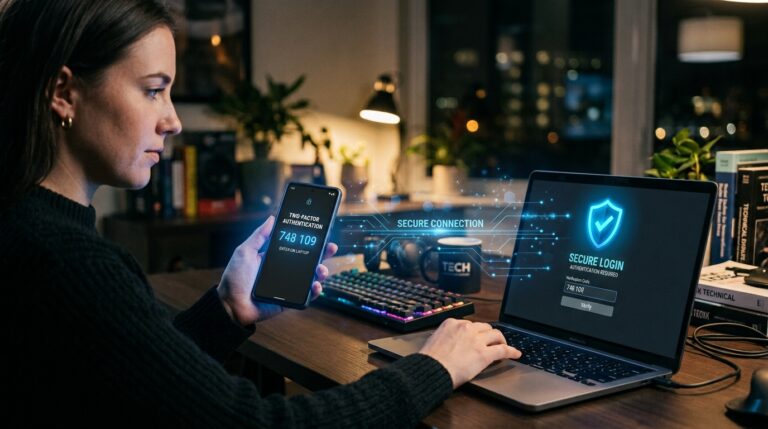
Enable Two-Factor Authentication
An additional barrier of protection, like a code sent to your cell phone, makes it a lot tougher for unauthorized individuals to gain access to your accounts even if they do get your password. This is a simple measure that will greatly enhance your overall security.
Be aware of what you post.
Restrict the amount of personal information seen on social media.Restrict personal information on social media.
When you post these details on the web too openly, they can be used against you if you have trouble with your scanner.If you have trouble with your scanner, these details can be used against you if they are shared too openly on the web. Check what is available for public view on your social accounts, this minimizes unnecessary exposure.
Avoid granting unnecessary permissions to apps.Be careful when granting permissions to apps.
There are numerous apps that ask for access to data or device capabilities that are not part of the app’s essential operation. Reviewing and restricting all these permissions regularly helps to avoid unnecessary data collection.
Know how to configure and modify privacy settings.Know how to set and change privacy settings
Make sure you review your privacy settings across platforms.
Social media sites, web browsers and apps usually don’t have privacy settings set to the highest default level. It’s a good idea to review and make changes to these settings to minimise what information is shared or tracked.
Specify Cookie and Tracking Preference Management.
A lot of websites track the way that people browse. These types of tracking can be limited and the data that is collected, reduced by making adjustments to your browser settings and/or using privacy-focused tools.
Follow safe browsing practices.
Verify Website Security
Prior to entering sensitive information, verify a website is using “https” and has the proper security indicators. This will help protect your data in its transit.
Don’t engage in sensitive activities over public Wi-Fi.
Public networks are also usually less secure, allowing others to gain access to the data sent through the network. For more sensitive activities such as banking, using a virtual private network (VPN) or waiting until you’re on a trusted network provides additional protection.
Be careful of emails and links.Be wary of e-mails and links.
Watch for Phishing Attempts
Some of the common methods used to trick people into giving their personal data include requests for it in emails or messages that create a sense of urgency, or messages that contain suspicious links. It’s a good idea to be skeptical of any request, even from something you think you know, to avoid getting scammed.
Check before giving out information
A good company will not request private details such as passwords or account numbers in an e-mail. If you have any doubt, it’s safer to reach out to the organization directly, rather than replying to the original message.
Monitor Your Digital Footprint
Check your accounts and statements regularly:Review your accounts and statements on a regular basis:
Regularly checking bank statements, credit reports and account activity will reveal any unauthorized access or fraudulent activity at an early stage, limiting potential damage.
Periodic search for information that is relevant to you.
You can sometimes perform your own name search on the internet and discover what personal information is accessible to the public, and take steps to minimize unwanted exposure by making privacy requests or making changes to your accounts.
How to keep software and devices secure.Properly securing software and devices.
Update Software Regularly
Software updates often include important security patches that protect against newly discovered vulnerabilities. Regular update means that you are less exposed to known security threats.
The use of reputable security tools is essential.It’s important to have a good security tool.
It is important to install trusted anti-virus or security software to provide an extra layer of protection, especially on devices used for sensitive activities such as online banking or work.
Learn about your rights and options.Know what rights and options you have.
To learn about your rights to privacy with respect to data.To be aware of your data privacy rights.
You might have legal rights about how companies gather, utilize and talk about personal information, such as the right to have your data deleted or to not be tracked for certain uses. To make informed decisions when you need to, you’ll need to know what your rights are.
When it’s appropriate to use privacy-focused tools, do so.
Heavy users of privacy-conscious browsers, search engines and email can take that privacy promise to the next level by using privacy-focused tools and services for their daily online use.
Final Thoughts
Maintaining your privacy and security online is easy to do without being a cybersecurity savant; it’s simply about cultivating habits that prioritize privacy and security.It’s not about learning a ton of information about security and privacy; it’s about learning to build habits to keep your personal data safe. In today’s digital age, being proactive and understanding of potential risks can help to minimize your susceptibility to data breaches, identity theft, and unwanted exposure.