
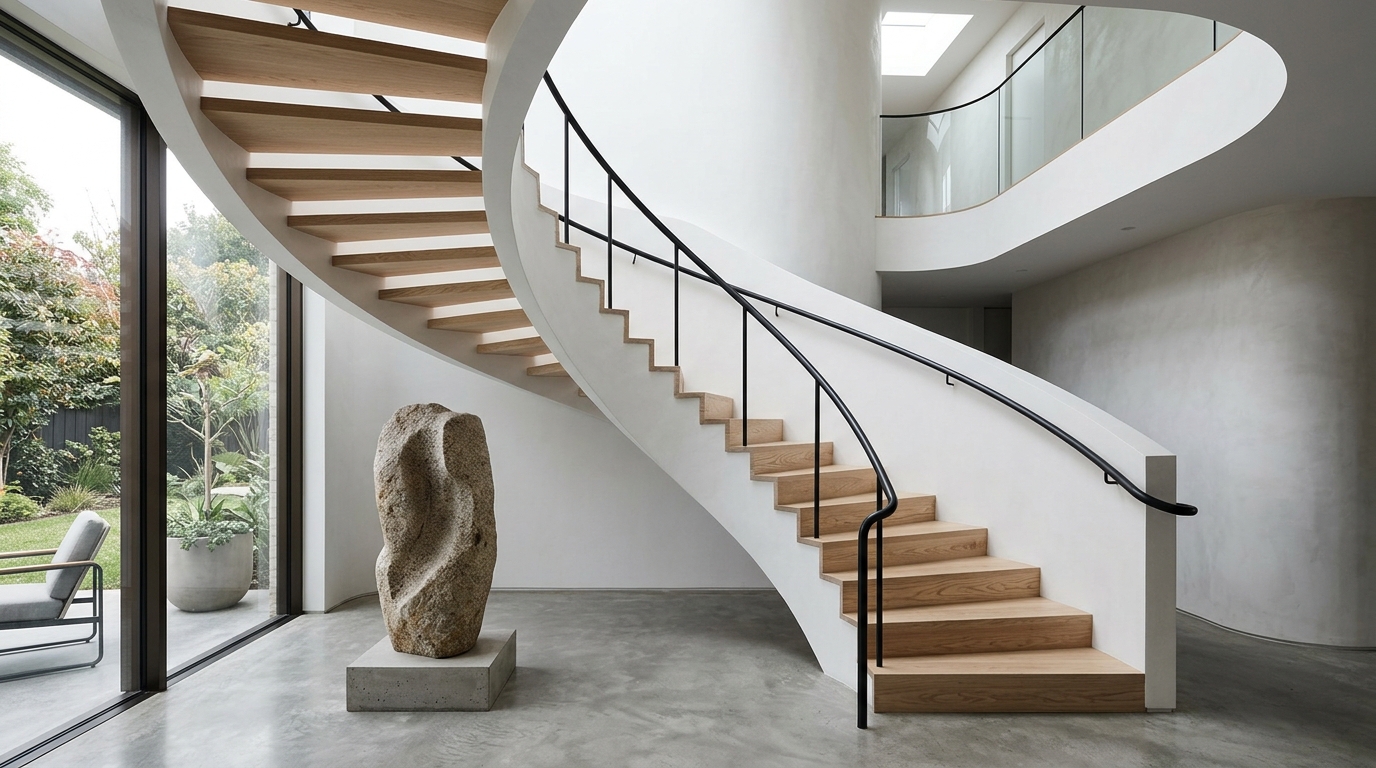
In recent years, interior design has witnessed a massive shift away from cold, sterile minimalism and overly ornate maximalism. Enter Organic Modernism—a harmonious design movement that bridges the sleek, functional architecture of modernism with the warm, imperfect beauty of nature. This style relies on clean geometric lines, uncluttered layouts, and a neutral color palette, but it elevates them by injecting raw, tactile elements like travertine, boucle, unlacquered brass, and light oak. If you are looking to explore how contemporary architecture is integrating biophilic principles and natural materials, browsing insights on Decorator Advice can help you understand the core philosophies of this movement.
Achieving the organic modern look requires a delicate balance between crisp architectural structure and earthy softness. Here is how you can incorporate this sophisticated trend into your own home.
Prioritize Clean, Architectural Lines
At its core, organic modernism retains the foundational principles of modern design: simplicity, low-profile silhouettes, and intentional negative space. Furniture should feature sleek, unpretentious frames—think a low-slung tuxedo sofa, a minimalist platform bed, or spindle-back dining chairs. By keeping the structural silhouettes clean and uncluttered, you create a calm visual baseline that allows your natural materials to truly shine without competing for attention.
Celebrate Raw and Earthy Materials
The defining characteristic of organic modernism is its heavy reliance on unrefined, tactile materials straight from the earth. Think honed travertine coffee tables, lime-washed plaster walls, concrete accent pieces, and unlacquered brass hardware that develops a natural patina over time. Light-toned woods like white oak, ash, and birch dominate this aesthetic. For sourcing unique statement furniture and tactile decor accents that fit this natural ethos, exploring collections on All Home Decors offers fantastic inspiration.
Layer Tactile, Cozy Textiles
Because modern architecture and hard stone surfaces can sometimes feel cold, softening the space with rich, tactile fabrics is essential. Swap out shiny synthetic materials for cozy, touchable textiles like heavyweight linen, raw cotton, textured boucle, shearling, and jute. Draping a chunky wool throw across a clean-lined leather armchair instantly adds depth, warmth, and an irresistible invitation to sit down and relax.
Stick to a Calm, Earth-Inspired Color Palette
Color in an organic modern home is restrained, subtle, and heavily drawn from the natural world. Rely on a foundational palette of warm whites, soft ivories, sandy beiges, and muted grays. Ground these light tones with deeper earthy accents like clay, terracotta, olive green, charcoal, or warm caramel. Avoid neon colors or high-contrast primaries; the goal is to create a seamless, cohesive flow that mimics the peaceful serenity of nature.
Integrate Living Greenery as Architecture
Plants in an organic modern interior are not just decorative afterthoughts—they function as living architectural elements. Instead of dense jungle collections, choose sculptural, architectural greenery that complements the clean lines of your furniture. A tall, slender olive tree in a terracotta pot, a single cascading pothos vine, or simple dried pampas grass in a handmade ceramic vessel adds organic movement and life to the room. If you want to see how different plant placements and natural layouts enhance open-plan modern spaces, checking out Casa In Decor provides great visual examples.
Focus on Soft, Diffused Lighting
Harsh overhead lighting destroys the warm, grounding atmosphere of organic modernism. Instead, opt for layered lighting schemes that cast a soft, ambient glow. Use paper lanterns, ceramic table lamps with linen drum shades, and recessed warm-toned lighting. The way light interacts with textured lime-washed walls or porous travertine surfaces creates subtle shadows that change throughout the day, emphasizing the beauty of natural materials.
The Enduring Appeal of Organic Modernism
Organic modernism is more than just a passing aesthetic; it is a lifestyle choice centered around creating spaces that feel grounded, breathable, and deeply connected to the earth. By pairing the clean structure of modern design with the warmth of raw textures, you craft a sophisticated home that feels both impeccably stylish and profoundly restful.